Charlotte Small Memory Care Homes: Personalized Senior Care Solutions
The Importance of Comprehensive Memory Care Services for Family Members
Quality memory care services play an essential role for loved ones dealing with the challenges of dementia. These programs offer tailored support that meets both the needs of patients and their family members. By facilitating safety, well-being, and emotional connections, quality care helps to reduce loneliness. However, not all memory care facilities are the same. Understanding what to look for can greatly impact the health of those affected. What important features should families prioritize?
Dementia: Complications and Fixes
Dementia offers a complicated range of challenges for people, families, and caregivers similarly. The mental deterioration linked to dementia impacts memory, reasoning, and daily functioning, making difficult routine tasks and raising reliance on others. Families often grapple with the emotional toll of witnessing their loved ones' decline, resulting in feelings of helplessness and frustration. Caregivers face the burden of managing physical care while steering through the unpredictable behaviors associated with the condition.
To address these obstacles, quality memory care services provide structured environments designed to improve the standard of living for people suffering from dementia. Such programs typically encompass specialized training for staff, tailored activity programs, and therapeutic interventions aimed at preserving mental abilities. Furthermore, these facilities provide relief for families, allowing them to refresh while ensuring their loved ones get appropriate care. In the end, effective solutions can significantly alleviate the challenges related to dementia, fostering a caring environment for all involved.
Emotional Care for Families
Caring for a loved one experiencing cognitive decline can have a major emotional impact on loved ones. The burden of routine care obligations often produces emotions such as loneliness, stress, and heartache. People in the family may battle with the gradual loss of their family member's identity, evoking a deep feeling of melancholy. This emotional burden can affect not only the main caretaker but also siblings and extended family, causing fractured bonds and escalated stress.
Accessing mental assistance is vital for groups navigating through these challenges. Peer support networks, therapeutic support, and community resources can furnish an outlet for sharing encounters and using stress relief techniques. Connecting with people who understand matching challenges cultivates a feeling of inclusion and diminishes sense of loneliness. In the final analysis, prioritizing emotional well-being is essential for groups, as it enables them to provide caring support while also maintaining their own mental health.
Why Professional Brain Health Care Is Important
Specialized memory care plays an indispensable role in improving the wellbeing for residents facing cognitive decline. These programs are designed to meet the unique needs of individuals with conditions such as Alzheimer's or other forms of dementia. Trained staff members understand the complexities of cognitive impairments and implement tailored approaches that promote engagement and ease.
In this specialized environment, residents thrive with consistent routines that work to decrease anxiety and confusion. Activities are intentionally made to stimulate cognitive function and promote social interaction, supporting a sense of community. Furthermore, the priority given to safety and security guarantees that individuals can explore their surroundings without unnecessary risks.
Families often discover comfort knowing their dear ones are obtaining personalized attention in a nurturing setting. Overall, expert cognitive care not only addresses physical needs but also nurtures emotional well-being, making it a vital part of care for those undergoing cognitive check article decline.
Important Qualities to Inspect in Senior Memory Residences
When evaluating memory care centers, what vital features should families prioritize? Above all, security protocols are essential. Facilities should have secure environments that prevent wandering, with elements like enclosed outdoor spaces and supervised access points. Additionally, staff-to-resident ratios are vital; higher ratios often indicate more personalized care and engagement.
Afterward, households should review the qualifications and training of caregivers. Staff should be trained in cognitive decline management, ensuring they recognize the unique needs of occupants. Events and programs designed to stimulate cognitive function and social interaction also represent a significant factor, as they enhance quality of life.
Moreover, family members should consider the cleanliness standards and overall atmosphere. A welcoming environment can greatly shape residents' health and happiness. Finally, transparency regarding costs and services is necessary, allowing family members to make informed decisions. By emphasizing these essential features, loved ones can pick the optimal memory care facility for their loved ones.
Why Quality Memory Care Advances Dignity and Ease
Excellent memory care offerings emphasize respect and well-being through personalized strategies that satisfy distinct needs. Customized care plans, paired with devoted staff relationships, establish a supportive environment for residents. Moreover, secure and interactive environments cultivate a feeling of belonging and wellness, elevating the total standard of living.
Bespoke Care Plans
Personalized care plans have an essential role in fostering the dignity and comfort of individuals in memory care facilities. These customized strategies consider each resident's unique history, preferences, and cognitive abilities, ensuring that care is both effective and respectful. By engaging families in crafting these plans, facilities nurture a collaborative environment that emphasizes the individual’s needs and wishes. This customization strengthens the sense of identity and autonomy, allowing residents to take part in activities that connect with their past experiences. Additionally, personalized care plans may change over time in response to evolving needs and preferences. Such respect for individuality greatly improves quality of life, supporting emotional well-being and a sense of belonging within the care community.
Caring Staff Relations
Successful memory care depends not only on tailored care programs but also on kind relations between staff and residents. These relations build an atmosphere of trust, essential for residents experiencing memory loss. Caring caregivers approach each resident with sensitivity, recognizing their unique histories and emotional needs. Through participating in meaningful conversations and demonstrating patience, these caregivers enhance the honor of each individual, ensuring they feel valued and understood. This approach not only reduces anxiety but also fosters a sense of belonging, crucial for emotional well-being. In the end, quality memory care prospers when staff focus on compassionate engagement, shifting care from a routine task into a compassionate experience that values comfort and respect.
Safe, Engaging Environments
Creating a safe and engaging environment is crucial for enhancing dignity and comfort in memory care settings. Quality memory care facilities emphasize secure surroundings, reducing risks associated with wandering or accidents. Carefully crafted spaces promote independence, allowing residents to navigate freely while feeling protected. Engaging activities, tailored to individual interests, boost cognitive function and build social connections among residents. Such environments encourage participation, lessening feelings of isolation and improving overall well-being. Additionally, the atmosphere should convey warmth and familiarity, utilizing personal touches that connect with each resident’s history. By integrating safety with engagement, memory care services not only maintain the dignity of individuals but also create a comforting haven where they can thrive amidst their challenges.
How Community Support Creates a Impact in Dementia Care
Local support is an essential role in boosting memory care offerings by nurturing emotional connections and bonding among members. Access to resources within the community can greatly improve the quality of care, presenting essential tools and details. Additionally, expanded social participation opportunities lead to the overall welfare of those affected by memory issues.
Feelings Bond and Bonding
Emotional connections act as a key element in memory care, creating an environment where individuals feel valued and understood. Within memory care environments, community support fosters meaningful bonds among residents, caregivers, and families. These ties not only boost emotional well-being but also foster a feeling of belonging. When caregivers communicate empathetically with residents, they establish a safe space for sharing feelings and experiences, which helps to reduce feelings of isolation. Furthermore, group activities and social interactions encourage residents to connect with each other, strengthening their sense of identity and purpose. This emotional foundation significantly influences the overall quality of care, as individuals thrive when they feel connected, ultimately resulting in improved cognitive function and a better quality of life.
Gaining Access to Resources
Access to supports plays a pivotal role in enhancing memory care services, building upon the strong emotional connections built among residents and caregivers. Community support provides essential tools and information that empower families to make thoughtful decisions about care options. Local organizations often provide educational workshops, respite services, and support groups, which can ease the burden on caregivers and enhance their understanding of dementia-related challenges. Access to trained professionals, such as social workers and therapists, further improves the care experience. Moreover, collaboration with adjacent healthcare facilities guarantees that residents receive thorough and coordinated care. Overall, a robust network of community resources fosters a caring environment that greatly improves the quality of life for individuals with memory impairments and their families.
Increased Social Participation
How can increased community connection transform the journeys of subjects with memory impairments? Interacting socially within a compassionate environment offers affective and intellectual rewards that are indispensable for those battling memory complications. Engagement in collective activities fosters connections, alleviating sentiments of alienation and melancholy. These communications encourage cognitive function, helping to maintain existing proficiencies and arguably reducing mental deterioration. Additionally, community support encourages a sense of belonging, which can markedly enhance mood and holistic health. Memory care facilities that prioritize social engagement create environments where individuals can build significant connections, enhancing quality of life. This communal approach not only benefits residents but also provides families with sense of security, knowing their loved ones are thriving in a warm setting.
Sustained Rewards of Excellent Memory Care
While many families may first look for memory care services primarily for immediate support, the long-term positive outcomes of quality memory care surpass short-term relief. These services not only provide essential daily assistance but also establish a structured environment that encourages cognitive engagement and emotional well-being. Through personalized interventions and therapeutic interventions, residents can realize improvements in memory retention and overall mental health.
Also, superior memory care fosters a sense of community, lowering sentiments of disconnection and distress often tied to memory disorders. This supportive atmosphere benefits families by alleviating stress and providing peace of mind, knowing their loved ones are in capable hands. Moreover, qualified professionals can offer ongoing direction, helping families navigate the complexities of dementia care. Ultimately, investing in quality memory care services yields valuable benefits, enhancing the quality of life for both individuals with memory impairments and their families over the long term.
Frequently Requested Questions
How Might I Recognize Early Red Flag Indicators of Memory Concerns?
Early indicators of memory concerns can consist of frequent forgetfulness, difficulty following conversations, losing track of possessions, struggling to recall recent events, and shifts in emotional state or conduct. Noticing these warning signs may warrant a medical assessment for additional review.
What Expenses Are Linked to Memory Care Services?
Charges pertaining to memory care services vary considerably, typically ranging from $3,000 to $7,000 monthly. Factors determining pricing include location, facility amenities, and the degree of personalized care vital to each individual.
How Can I Choose the Right Memory Care Facility?
Finding the suitable memory support residence calls for analyzing available alternatives, viewing locations, copyrightining staff expertise, assessing safety measures, evaluating patient engagement, and valuing family feedback, ensuring the facility suits the individual's particular needs and inclinations.
What Part Do Caregivers Have in Dementia Care?
Caregivers offer essential support in memory care by offering emotional companionship, helping with daily activities, and implementing customized care strategies. Their expertise and empathy greatly improve the standard of living for individuals with memory impairments.
Are Memory Care Services Capable of handling Different Stages of Dementia?
Dementia care options can successfully meet varying levels of dementia by tailoring support and therapies to specific requirements. This adaptability assures residents obtain proper treatment, boosting their well-being throughout the progression of the disease.
|Memory Care Support: Tailored Assistance for Alzheimer's and Dementia
Memory care programs serve an important role in supporting individuals with Alzheimer's and dementia. These specialized programs focus on enhancing quality of life through personalized care plans and trained staff. They create safe environments that encourage cognitive engagement and social interaction. Comprehending the essential features of these services can help families navigate the complexities of care. What specific elements contribute to their effectiveness, and how can families best engage in this journey?
Exploring Memory Care Services and the Ways They Can Help Families?
What exactly are memory care programs, and how can they assist loved ones facing the difficulties of mental deterioration? Memory care services are specialized programs designed to help people with Alzheimer's disease, dementia, and other mental health conditions. These services offer a structured environment tailored to address the unique needs of residents, fostering safety, engagement, and respect.
Families often encounter emotional and practical difficulties when caring for loved ones experiencing memory loss. Memory care facilities offer assistance through trained staff who understand the intricacies of these disorders. This includes developing personalized care plans, overseeing proper medication administration, and facilitating social interactions.
The environment in dementia care facilities is specifically designed to minimize disorientation and promote independence, enabling residents to engage in meaningful activities. By providing relief for caregivers, memory care services allow families to focus on their health and wellness while being assured their family members are in a safe, supportive environment.
Key Features of Thriving Memory Care Programs
Successful memory care initiatives incorporate several vital components that enhance the quality of life for residents. First, individualized care plans are critical, as they address each resident's individual requirements, preferences, and challenges. These plans are regularly updated to reflect any changes in condition. Additionally, trained staff members supply specialized support, ensuring that caregivers acknowledge the complexities of Alzheimer's and dementia.
Additionally, engaging in programs designed to boost cognitive function and support interpersonal connection are critically important. Programs regularly feature brain training, arts and crafts, and musical treatment, establishing a sense of community among residents. Secure and protected settings are likewise crucial, allowing participants to move about freely while lowering the risk of accidents.
Finally, family involvement is promoted, creating a supportive network that helps residents feel connected. Together, these features contribute to a comprehensive strategy that emphasizes respect, ease, and overall health.
How Do Memory Care Settings Promote Security and Comfort?
Memory care spaces are designed with many protective measures that markedly improve residents' comfort and well-being. These facilities generally include secure layouts that minimize disorientation and roaming, guaranteeing that residents can move freely without the danger of getting lost. Non-skid surfaces, handrails, and well-lit common areas additionally add to a secure atmosphere.
Plus, memory care places regularly incorporate calming colors and recognizable surroundings to generate a soothing ambiance. This deliberate design lessens distress and encourages a connection with others. Green areas are important, supplying participants with engagement with natural environments, which has been shown to improve mood and holistic health.
Emergency intervention networks and staff qualified in safety protocols assure that help is readily available when needed. By zeroing in on these elements, memory care environments prioritize the safety and comfort of residents, facilitating them to thrive in a supportive setting tailored to their unique needs.
How Skilled Staff Drive a Difference in Memory Care
While the environment has an vital role in cognitive support, the proficiency and compassion of experienced personnel are equally important to boosting residents' quality of life. Trained professionals understand the complexities of Alzheimer's and dementia, applying targeted approaches to communicate effectively with residents. Their ability to recognize unique requirements facilitates tailored assistance, fostering a atmosphere of protection and reliance.
Moreover, staff members are trained to handle difficult conduct, using compassion and understanding to reduce potential emergencies. They create engaging activities tailored to individual preferences, encouraging cognitive stimulation and community connection. Continuous training guarantees that staff remain current on best practices and modern techniques in memory care.
This insight not only enhances the emotional health of patients but also supplies families with trust in the treatment their family members experience. Finally, the devotion and expertise of experienced personnel make a significant effect on the general experience of people dealing with cognitive decline.
Involving Family Members in Memory Care: Optimal Practices
Engaging family members in dementia support is important for enhancing the quality of life of people experiencing mental decline. Effective dialogue techniques and planned family involvement initiatives can strengthen these relationships, building a nurturing environment. By placing emphasis on family engagement, care providers can better address the particular requirements of every person.
Strong Exchange Frameworks
Effective communication strategies play an essential role in improving the standard of care for people with memory impairments. Plain, straightforward speech is fundamental; caregivers and family members should speak slowly and use familiar terms to avoid confusion. Body language signals, such as gestures and facial expressions, can greatly aid comprehension and foster emotional connections. Engaged attention is critical; caregivers should provide complete focus, acknowledging emotions and answering with consideration. Additionally, maintaining a serene and tolerant manner helps establish a nurturing atmosphere. Consistency in daily practices and interaction methods also assists individuals with memory issues, as it reinforces recognition. Overall, these approaches not only improve exchanges but also strengthen relationships, guaranteeing that individuals sense appreciation and comprehension throughout their treatment experience.
Family Engagement Initiatives
The involvement of family is essential in memory care, as it significantly improves the well-being of individuals facing cognitive challenges. Encouraging family members to join in activities fosters emotional connections and creates a supportive environment. Best practices involve organizing regular family visits that allow meaningful interactions, such as sharing stories or taking part in therapeutic games. Additionally, family members may be included in care planning, ensuring their loved ones’ histories and preferences are respected. Educational workshops also enable families with knowledge about Alzheimer’s and dementia, equipping them to better support their loved ones. Ultimately, consistent family participation not only improves care quality but also strengthens relationships, fostering a sense of belonging for those in memory care environments.
Forms of Memory Care Selections At Your Disposal
Multiple care alternatives for memory are offered to fulfill the individual requirements of individuals dealing with mental decline. These alternatives stretch from focused care facilities to in-home care services. Memory care facilities supply a protected space with knowledgeable caregivers to aid residents in routine tasks, foster socialization, and participate them in cognitive therapies.
In-residence care services permit clients to receive tailored care in known settings, offering companionship and aid with routine chores while maintaining independence.
Adult day programs represent a temporary solution, furnishing scheduled activities and human interaction in daylight hours for those who demand supervision.
Additionally, temporary care services provides brief breaks for family members providing care, ensuring their family members get expert assistance while caregivers take a break.
Each option caters to different degrees of requirement, making sure that people suffering from Alzheimer's and dementia receive the suitable assistance customized for their unique circumstances.
Cost Considerations for Memory Care Facilities
As people and their loved ones work through the complexities of memory care services, financial considerations become a fundamental component of the decision-making process. The expenses associated with memory care can vary considerably, depending on elements such as the level of care required, facility location, and offered amenities. Monthly fees for memory care facilities often span between several thousand to over ten thousand dollars.
Families need to consider insurance options, including long-term care insurance, Medicare, and Medicaid, as these can shape out-of-pocket expenses. Additionally, identifying potential hidden costs—such as therapy services or specialized activities—is critical.
Budgeting for future care needs is crucial, as the development of Alzheimer's or dementia may demand heightened levels of care. copyrightining funding resources and local resources can also deliver relief. Finally, a detailed budget framework ensures that families can sustain the quality of care their loved ones warrant.
Frequently Inquired Questions
What Period Can You Project From a Memory Care Service?
The standard duration of a memory care program varies, often ranging from several months to years, depending on individual needs, the severity of cognitive decline, and the specific objectives set by caregivers and healthcare professionals.
How Should I Determine the Right Memory Care Facility for My Precious Family Member?
Determining the proper memory care facility involves researching options, surveying facilities, reviewing caregiver qualifications, reviewing safety measures, comprehending activity opportunities, and copyrightining the setting to guarantee it aligns with the family member's needs.
Are Memory Care Services Paid for by Insurance or Medicare?
Memory care programs may partially cover costs through Medicare, typically for short-term stays. However, long-term care frequently necessitates private insurance or out-of-pocket payments, leading families to explore different options for financial support.
What Services Are Included in Memory Care Communities?
Memory care services usually offer programs such as art therapy, music sessions, exercise classes, cognitive games, gardening, and social events. These activities aim to improve residents' cognitive functions, encourage social interaction, and boost overall well-being.
What Are the Best Ways to Communicate Effectively With Someone With Alzheimer's or Dementia?
Meaningful communication with someone affected by Alzheimer's or dementia demands using simple language, preserving eye contact, speaking copyright slowly, and staying patient. Non-verbal cues, including body movements and facial expressions, can enhance perception and mutual understanding.
|Enhancing Lives With Specialized Memory Care Services
Specialized memory care services aim at addressing the unique needs of individuals facing cognitive challenges. These services prioritize personalized care plans and engaging activities to improve emotional well-being. Structured environments are vital in fostering a sense of security and independence. Families also gain support throughout the care process. Knowing how these elements work together can reveal valuable insights into enhancing quality of life for residents and their loved ones. What are the key components of effective memory care?
Information You Must Learn Regarding Dementia Care Options
What considerations should one copyrightine when investigating memory care programs? First, it is critical to assess the amount of support needed based on the individual's unique circumstances, including their cognitive abilities and daily living skills. The setting of the facility is important; a secure, safe, and engaging atmosphere can greatly enhance the well-being for residents. Staff credentials and education are also important, as dementia-focused instruction ensures that caregivers are able to manage difficult conduct with compassion. Additionally, it is vital to review the facility's strategy for programming and community involvement, which can foster a sense of community and belonging. Finally, family participation and assistance programs should be evaluated, as they support the overall well-being of both residents and their families. By thoroughly considering these factors, families can make informed decisions regarding memory care programs.
Why Individualized Care Plans Are Crucial in Dementia Care
Customized care plans are fundamental in memory care, as they tackle the unique wants and requirements of every resident. These approaches are customized to factor in individual backgrounds, cognitive abilities, and emotional well-being. By copyrightining each resident's strengths and challenges, staff members can establish strategies that promote dignity and independence while ensuring safety and comfort.
Establishing personalized care plans promotes a feeling of connection and elevates overall standard of living. Residents feel appreciated when their interests in daily schedules, hobbies, and social engagement are honored. Additionally, these programs support meaningful exchange between support staff and relatives, making sure everyone is working together to support the resident's journey.
Ongoing assessments of these plans facilitate refinements based on changing circumstances, advancing a dynamic care approach. Ultimately, personalized care plans provide a basis for thoughtful, accomplished memory care, delivering improved outcomes and a better living experience for residents.
Interactive Experiences in Memory Care
Stimulating activities form a important element of memory care, driving intellectual engagement and social interaction. These initiatives are developed to boost mental function while nurturing connections among residents. By implementing tailored programs, memory care facilities can build a caring atmosphere that fulfills both intellectual and affective needs.
Brain Activation Tasks
Cognitive stimulation exercises play a key role in enhancing the caliber of life for those in memory care. These exercises, meant to engage the mind, can comprise puzzles, memory games, and problem-solving tasks that support cognitive function. By taking part in these activities, residents can boost their memory, attention, and overall mental agility. Such activities provide not only mental engagement but also cultivate a sense of achievement and purpose. Furthermore, customized cognitive stimulation can be adjusted to individual preferences and capabilities, ensuring each person stays actively involved. In summary, these exercises are essential to maintain cognitive health and foster a positive atmosphere within memory care settings. Through consistent participation, individuals may experience an improved mood and enhanced sense of well-being.
Social Interaction Openings
Connection is vital for people in memory care, as social engagement opportunities greatly improve their overall health. Activities created to encourage socializing, such as group games, art classes, and community outings, build relationships among residents. These engagements not only provide pleasure but also boost cognitive functioning and emotional health. Regular participation in social activities promotes communication and reduces feelings of isolation, which are frequent in memory care settings. Additionally, organized social environments allow caregivers to observe interactions, customizing support to individual needs. By promoting a sense of belonging and community, social engagement plays a key role in enhancing the quality of life for those living with memory challenges, strengthening their dignity and self-worth.
Nurturing Settings in Dementia Care
Developing caring environments in memory care is important, since these spaces profoundly shape residents' well-being and quality of life. Friendly, safe, and tailored environments help residents feel protected and esteemed. Well-planned layouts facilitate mobility and accessibility, lowering confusion and improving comfort.
Lighting, colors, and recognizable décor are crucial elements in developing tranquil settings that inspire pleasant recollections. External areas, such as gardens and walking paths, create opportunities for relaxation and connection with nature, further enriching the experience.
Staff training in empathy and communication fosters meaningful interactions, enabling care providers to more fully comprehend and address the needs of residents. Furthermore, organized schedules provide a feeling of consistency, helping to alleviate anxiety. Together, these elements contribute to a holistic approach that not just tackles the cognitive challenges associated with memory loss but also nurtures emotional and social well-being, enabling residents to flourish.
The Way Memory Care Facilities Aid Families
Memory care centers play a vital role in assisting families by offering emotional support and practical resources. They offer educational workshops that equip families with the knowledge needed to navigate the complexities of memory-related conditions. This holistic approach fosters a stronger connection between families and their loved ones in care.
Psychological Help For Families
Numerous families confronting the challenges of a loved one with memory impairment find comfort in the emotional support offered by specialized memory care facilities. These centers often employ compassionate staff trained to comprehend the unique hardships families face. Consistent support groups allow families to connect with others in comparable situations, fostering a sense of community and shared understanding. Moreover, personalized counseling sessions can meet specific emotional needs, assisting families in managing feelings of guilt, grief, and frustration. Memory care facilities provide resources that promote open communication among family members, encouraging healthier family dynamics. This emotional support not only helps families cope but also improves the quality of care their loved ones obtain, cultivating a more positive atmosphere for everyone involved.
Educational Resources And Classes
Several memory care facilities offer worthwhile knowledge materials and workshops designed to empower families working through the complexities of mental decline. These programs often feature important matters, such as the stages of dementia, interpersonal methods, and caregiving techniques. By presenting expert-led sessions and interactive discussions, facilities support families build a deeper understanding of their loved ones' conditions.
In addition, tools including educational materials and online courses work alongside in-person workshops, confirming families have gain important information at their preference. Support groups may also be included, fostering community connections among family caregivers. Ultimately, these educational initiatives not only develop caregivers' expertise but also cultivate emotional resilience, allowing families to overcome challenges with greater confidence and compassion.
Genuine Success Stories From Memory Care Facilities
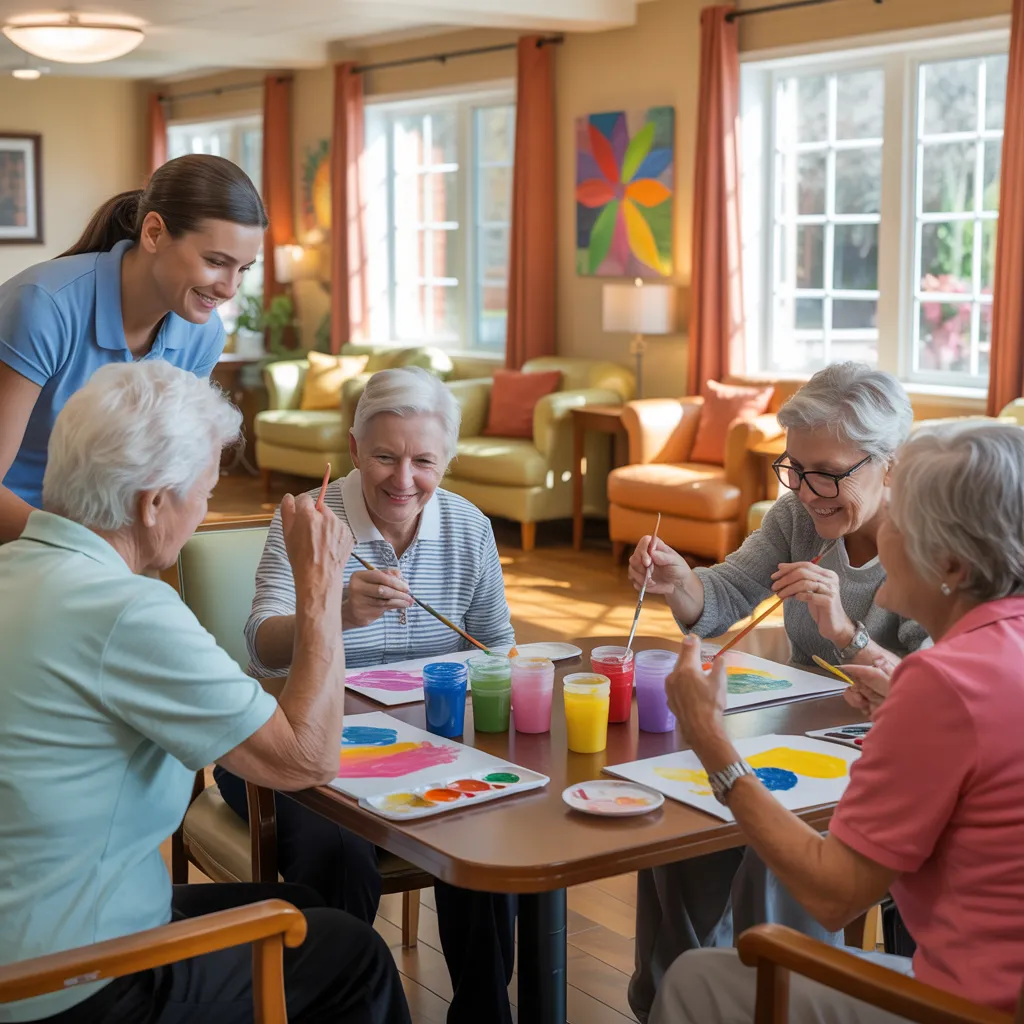
Success stories from memory care centers illustrate the profound impact specialized support can have on people dealing with cognitive challenges. One resident, Mrs. Thompson, experienced notable progress after engaging in personalized art therapy sessions. Initially withdrawn, she began to express herself creatively, resulting in enhanced social interactions and emotional well-being.
One more success story involves Mr. Garcia, who succeeded in a structured daily routine crafted to strengthen memory durability. Through brain exercises and nostalgia-based therapy, he reclaimed his ability to recall cherished family moments, deepening relationships with loved ones.
Facilities incorporate technology-enabled experiences, such as virtual reality experiences, which have helped residents like Ms. Patel move through familiar environments, minimizing anxiety and confusion.
These actual cases highlight how tailored memory care services not only elevate overall well-being but also strengthen individuals, enabling them to participate more deeply with their communities and surroundings.
Frequently Asked Questions
What Professional Credentials Do Staff Members Maintain in Memory Care Facilities?
Memory care center staff members typically have credentials such as degrees in nursing, psychology, or social work, plus expert instruction in dementia care, communication abilities, and background in addressing behavioral challenges tied to memory impairments.
What Methods Are Used for Pharmaceutical Care in Memory Care?
Medication administration in memory care facilities involves trained staff dispensing prescriptions, monitoring dosages, and ensuring timely intake. Regular evaluations are performed to modify medications as needed, prioritizing residents' safety and well-being throughout their care.
Are Memory Care Services Covered by Health Insurance Plans?
Services focused on memory care may be partially funded by your insurance, based on the policy. Families should consult their insurance companies to grasp particular coverage information, such as any limitations or requirements for qualification regarding memory care establishments.
What Security Procedures Are Implemented for Residents?
Safety procedures for residents typically include secure environments, qualified personnel, emergency response protocols, regular safety audits, and monitoring systems. These approaches are designed to prevent wandering and guarantee a secure, caring environment for people with memory challenges.
Can Residents Participate in Trips Away From the Premises?
Yes, residents can involve themselves in getaways outside the facility. These excursions are systematically organized to warrant safety and enjoyment, allowing individuals to interact in their setting while receiving the necessary aid throughout the event.
}